Perplexity SEO: how to get cited in Perplexity
Perplexity answers almost every question from a live web search and shows its sources. Here is how to be one of them.

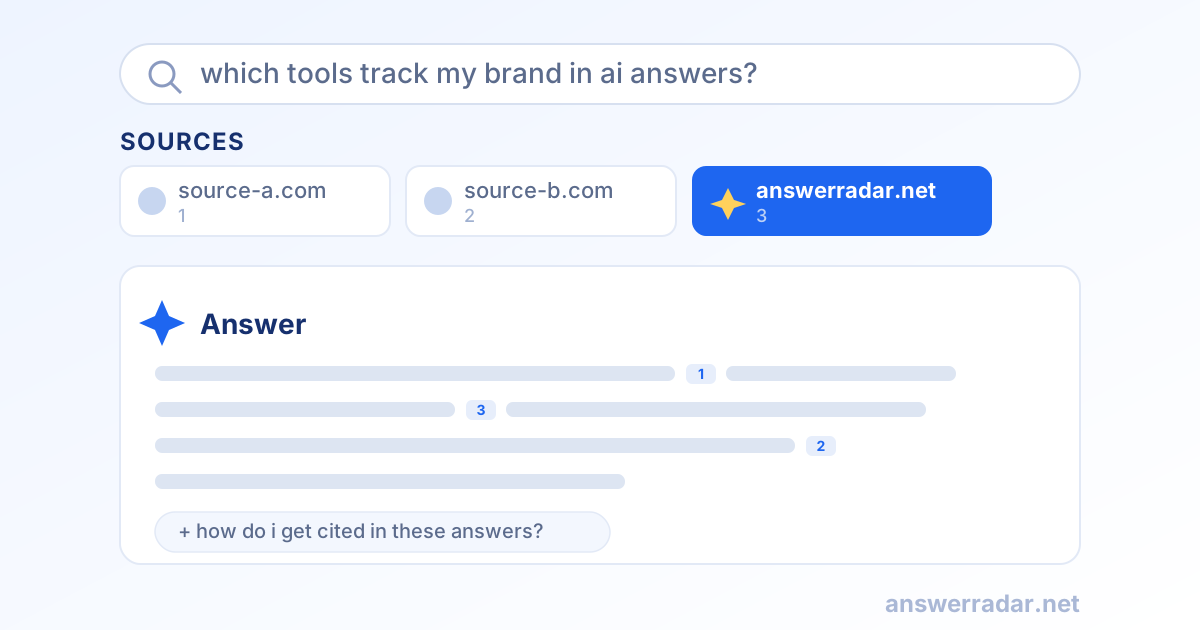
Perplexity is an answer engine: you ask a question, it searches the web, reads the best results, and writes a short answer with numbered citations to the pages it used. That last part is what makes it different, and worth your attention. Where Google AI Overviews can answer a question and quietly keep the click, Perplexity puts its sources front and center, so a citation there can send you real referral traffic. The job is to be one of those sources.
How Perplexity actually answers
Almost every Perplexity answer is built fresh from a live search, not recalled from training. For a given question it runs one or more web searches, pulls the top pages, and composes an answer that quotes or paraphrases specific passages, each tied to a numbered source. This makes it closer to classic search than ChatGPT answering from memory: your live, crawlable pages are the raw material, and freshness and findability count.
Two practical consequences follow. First, because citations are attached to individual passages, a clean, quotable sentence that answers the question outright is far more liftable than the same point buried in a long paragraph. Second, because it searches every time, a page you publish or fix today can be cited tomorrow, you are not waiting on a training cycle.
How Perplexity chooses its sources
It leans toward pages that are easy to fetch, answer the question directly, look current, and are corroborated by other credible sources. In practice that means:
- It can crawl you. Perplexity fetches pages with its own crawler, PerplexityBot. If your robots.txt blocks it, or your content only appears after JavaScript, you are invisible to it.
- You answer the exact question, early. It cites the passage that most directly answers the query, so lead with the answer rather than warming up to it.
- You look current. For anything time-sensitive it favors recent, dated pages, so keep key pages updated and show the date.
- Others back you up. It is more comfortable citing a claim several independent sources agree on, the same corroboration signal that matters across every engine.
How to get cited in Perplexity
There is no special Perplexity setting. It is ordinary strong SEO plus the answer-engine basics, pointed at the questions your buyers actually ask.
- Let PerplexityBot in. Check your robots.txt does not block
PerplexityBot(orPerplexity-User, its user-initiated fetch). Being crawlable is the price of entry. - Lead with a direct, liftable answer. Put a clear one or two sentence answer near the top of the page, then support it. Write sentences a model could quote without editing.
- Be an unmistakable entity. A clear about page, one consistent description, the real people behind the work, and Organization and Person schema make it confident naming you.
- Use clean, parseable structure. Headings that match real questions, short paragraphs, lists and tables where they fit, and valid structured data.
- Keep your facts consistent and corroborated. If your pricing or positioning differ across your site, directories and profiles, the answer it builds gets shakier. See the full method in how to improve your AI visibility.
- Cover the real questions. It cites the page that best answers the specific query, so the category, brand and comparison questions each deserve a page that answers them cleanly.
How to track your Perplexity presence
You cannot improve what you do not measure, and Perplexity answers vary between runs, so sample them deliberately.
- List the real questions your buyers ask, including the commercial and comparison ones.
- Ask each in Perplexity and record three things: are you named in the answer, are you in the cited sources, and who else is.
- Repeat on a fixed cadence, because both the answer and its sources shift over time.
Build the prompt set in a couple of minutes with my free AI Visibility Checker, follow how to track your AI visibility for the routine, and when doing it by hand across many queries gets tedious, that is what the AI-visibility tools automate, most of them track Perplexity as a first-class engine.
What to do this quarter
- Confirm PerplexityBot is allowed in robots.txt and that your key pages render their answer in the HTML, not only after JavaScript.
- Rewrite the top of your highest-value pages to lead with a direct, quotable answer to the question they target.
- Pick the ten questions you most want to be cited for and make sure one clear page answers each.
- Track your citation presence monthly, so you see the trend rather than the run-to-run noise.
Frequently asked questions
How does Perplexity decide what to cite?
For each question, Perplexity runs live web searches, reads the top results, and writes an answer with numbered citations to the pages it used. It favors pages that are crawlable, answer the question directly and early, look current, and agree with other credible sources. Unlike a generated answer with no links, Perplexity shows its sources prominently, so being cited can actually send you referral traffic.
How do I get my site cited in Perplexity?
Be fetchable by PerplexityBot (do not block it in robots.txt), lead each page with a direct, liftable answer, be an unmistakable entity with clear structure and schema, keep your facts consistent across the web, and earn corroboration from other credible sources. Then cover the real questions your buyers ask, because Perplexity cites the page that best answers the specific query.
Is Perplexity SEO different from ChatGPT SEO or Google SEO?
The fundamentals overlap, but Perplexity is retrieval-first: almost every answer is built from a fresh web search, so your live, crawlable pages matter more than what a model memorized in training. It is closer to classic SEO than ChatGPT from memory, and its citations are per-passage, so a clearly quotable sentence beats a long wandering paragraph.
How do I check if my brand appears in Perplexity?
Ask Perplexity the real questions your buyers ask and record three things: whether you are named in the answer, whether you are in the cited sources, and who else is. Do it on a schedule, because the answer and its sources can change between runs and over time. A free checker can build the prompt set; AI-visibility tools automate the tracking across many queries.